Maximizing Hotel Partnerships | By Fred Ho

Maximizing Hotel Partnerships
Conrad New York Downtown, a luxe hotel filled with inspiring art, lends itself to a collaboration an art partner such as Hall des Lumières |
Maximizing Hotel Partnerships
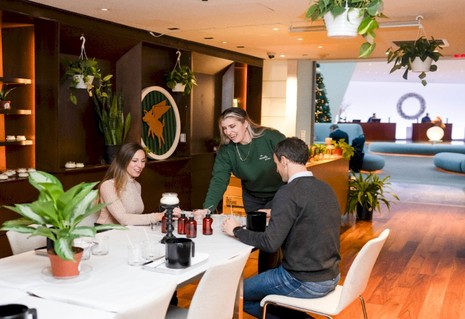
Partnerships can have both short - and long-term components. For example, Conrad New York Downtown partners with The Candle Garden to create signature scented candles year round. |
Maximizing Hotel Partnerships
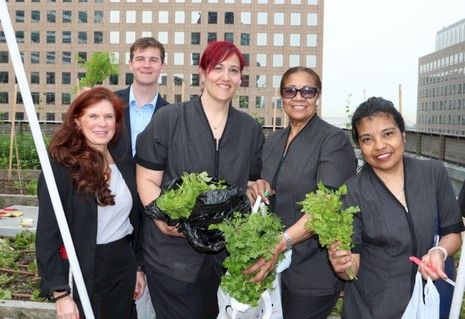
The qualitative impact that a partnership can have on markers such as Team Member morale can be significant, as demonstrated by Conrad New York Downtown’s urban farming garden partnership with Brooklyn Grange |
In an increasingly competitive hospitality landscape, hotel partnerships have evolved from simple cross-promotions into sophisticated, multi-channel collaborations that can drive revenue, elevate guest experience, and amplify brand visibility.
Whether you’re a luxury property seeking national media coverage or a lifestyle hotel aiming to deepen local community ties, the right partnership can serve as a powerful lever for growth. But to truly maximize the impact of these collaborations, hoteliers must approach partnerships with strategic intent, operational clarity, and a shared vision for success.
Establish Goals & Partnership Parameters
Before you even set out to reach out to partners or respond to inbound partnership inquiries, establish clear goals for what outcomes you are looking to get out of your partnerships. Are there particular verticals such as dining or wellness that you are trying to elevate at your hotel? Do you want to drive local neighborhood capture in your outlets, or are you more so looking for national press coverage? Defining the operational or commercial goals of your partnerships and the target scope of their impacts is key in ensuring success.
To help you define these goals, start by identifying whether your partnership goals are operational (e.g., enhancing guest experience), commercial (e.g., driving revenue), or reputational (e.g., increasing brand visibility). Then, consider the lifecycle of the partnership: is this a seasonal activation, a long-term strategic alliance, or a one-off campaign? Clarifying these parameters helps you filter potential partners and set expectations internally across departments.
Conducting this initial goals and parameters exercise sets you up for success with a guiding north star and also a well-defined goal framework for more accurate forecasting and performance tracking once the partnership is live.
Align with Partners on Goals, Incentives, and Audience
Once you have designated partnership goals and parameters, it is time to select a partner that aligns with your goals, incentives, and target audience. Mutual benefit is the cornerstone of any successful partnership. Conduct a brand fit analysis: does your partner’s brand ethos complement yours? Are their audiences overlapping or adjacent? Be transparent about KPIs and success metrics from the start.

Maximizing Hotel Partnerships
Partnerships can have both short - and long-term components. For example, Conrad New York Downtown partners with The Candle Garden to create signature scented candles year round. |
Aligning Goals & Incentives
Goals refer to the strategic outcomes each party is aiming to achieve through the partnership. For hotels, this might include elevating a specific vertical, driving press coverage, increasing guest satisfaction, or enhancing brand positioning. For partners, goals might center around expanding market reach, building brand credibility, or launching a new product.
It’s rare that a partner’s goals will perfectly match your own, so it’s worth identifying a partner whose core competencies complement your needs—and then negotiating from there to find a balance that works for both parties. For example, you may want to create an over-the-top package with a wellness partner targeting national media attention, while your partner may be focused on generating a steady stream of bookings. You can compromise by creating a base-level wellness package together and offering premium add-ons that appeal to luxury travelers and press alike.
Incentives should also be clearly defined and mutually motivating. For your hotel, this might mean increased bookings, elevated brand perception, or enhanced guest satisfaction. For your partner, it could be direct revenue, brand exposure, or access to a new customer base. Transparency around what each party stands to gain helps build trust and ensures both sides remain invested throughout the partnership.
Aligning Audience
Audience alignment is critical to ensuring the partnership resonates. Start by mapping out your guest demographics and psychographics, such as age, income, travel motivations, lifestyle preferences, and compare them to those of your partner’s audience. Look for overlaps, but also opportunities to expand reach. When doing so, keep in mind the goals you and your partner have already laid out, and target audiences accordingly. For instance, a hotel with a strong business travel base might partner with a premium fitness brand to attract wellness-minded leisure travelers. Use this alignment to design offerings, inform messaging, and dictate channel strategy. Audience alignment also helps determine the tone, timing, and placement of your marketing efforts, ensuring relevance and resonance across touchpoints.
Curate the Right Type of Partnership
Not all partnerships are created equal, so choose the format that best suits your goals, whether it’s a co-branded experience, a pop-up activation, or a long-term strategic alliance. Different partnership formats yield different outcomes. A pop-up spa activation might be ideal for driving short-term buzz, while a long-term partnership with a local coffee roaster could enhance your breakfast offering and build community ties. For short-term activations, optimize the attendance and coverage of your event with ticket sales, influencer engagement, and media outreach. For longer-term activations, consider how you can keep the experience fresh and new for loyal guests with rotating experiences and seasonal tweaks.
Partnerships do not have to be black and white, so keep in mind you can activate with the same partner in both short- and long-term ways. At Conrad New York Downtown, for example, we work with the nearby Westfield World Trade Center shopping center on both an evergreen campus perks programs as well as periodic short-term social media giveaway campaigns.
Next, curate the level of engagement required from the hotel to activate the partnership. Is it as simple as your concierge team booking an off-the-shelf offer with an experience partner? Or is it a much more involved collaboration such as a pop-up fashion show requiring additional setup and security labor?
Last but certainly not least, consider the operational lift required for each format and whether your team has the bandwidth to execute it flawlessly. If you operate in a union environment, make sure to respect collective bargaining agreements and account for incremental labor costs as you budget for your collaboration. Operational feasibility should be assessed early to avoid overcommitting resources or compromising service standards.

Maximizing Hotel Partnerships
The qualitative impact that a partnership can have on markers such as Team Member morale can be significant, as demonstrated by Conrad New York Downtown’s urban farming garden partnership with Brooklyn Grange |
Conduct Legal, Financial, & Operational Due Diligence
Before launching, ensure all legal, financial, and operational details are buttoned up to avoid surprises down the line. Draft clear partnership agreements that outline deliverables, timelines, revenue splits, and exit clauses. Align with your finance and legal teams early to avoid bottlenecks, and allow time for review and approvals.
In some instances, licensing and approval from governing bodies are also required, so do your research and ensure you and your partner are abiding by all state and local laws. For example, in the state of New York, some events promoting or selling alcoholic products may require special permits not covered by your restaurant’s existing license. Initiate these conversations with your partner early on to cover your bases and avoid delays.
Operationally, ensure your staff is trained and your systems are ready to support the partnership—whether that’s integrating a new booking flow or team literacy surrounding a partner’s product. A well-prepared launch minimizes risk and sets the tone for a smooth, professional collaboration.
Amplify on All Channels, Including Team Communications
Once you have your goals, partner, and offer set, it’s time to fire on all channels. Consider both the channels available to you and your partner. How can you both share and leverage your individual audiences, whether it be digital, social, or third-party? Develop a joint communications calendar that includes social media, email marketing, press outreach, and on-property signage.
Leverage each partner’s strengths: if your partner has a strong influencer network, consider co-hosting an event or gifting experience. If your hotel has a robust tiered loyalty program, integrate the partnership into elite member-exclusive offers to reward top guests.
Do not overlook internal channels—brief your front desk, concierge, and F&B teams so they can organically promote the partnership to guests and also answer any questions that might pop up in their day-to-day interactions. Internal buy-in is essential as your team can be your most effective brand ambassadors when properly informed and engaged.
Leverage Learnings to Cultivate Your Collaboration
The best partnerships are living collaborations, so ensure you stay agile and open to evolution and reiteration as you learn what resonates with your guests. Monitor performance in real time and be willing to pivot. If a package isn’t selling, consider adjusting the price point or adding new perks. If press coverage is slow, brainstorm new angles or events with your partner. Treat the partnership as a dynamic relationship, not a static transaction.
At Conrad New York Downtown, for example, we partner with Brooklyn Grange, one of the nation’s leading urban farming and green roofing companies, to operate our rooftop garden as a farm that generates hundreds of pounds of organic produce every year. Now two years into our collaboration, we have continuously worked with our culinary and HR teams to invent creative new ways to introduce new ingredients into our menu and engage our Team Members and community.
Iterative, cross-functional collaboration not only strengthens the partnership but also embeds it into the hotel’s culture and guest experience.
Track Quantitative and Qualitative Performance
From a quantitative standpoint, ensure you have analytics set up to the best of your availability to track incremental leads, conversions, and revenue from your partnership. Use UTM codes, promo codes, and booking attribution tools to measure direct impact on commercial performance. On the flip side, be cognizant of tracking costs and their variance to budget as well.
From a qualitative standpoint, take a more open-ended approach and consider the partnership’s influence on guest experience, team morale, and neighborhood relations. You might glean this information by conducting a sentiment analysis of guest reviews or team member surveys, or you simply might ask your frontline team members periodically during daily stand up meetings.
Consider setting up midpoint and post-mortem reviews with your partner to assess what worked, what did not, and what could be improved for future collaborations. These check-ins not only foster transparency but also help build a foundation for long-term trust and innovation.
Conclusion
Hotel partnerships, when thoughtfully executed, can be transformative. They allow properties to tap into new audiences, elevate their offerings, and create memorable guest experiences that go beyond the expected. But success lies in the details—clear goals, aligned incentives, operational readiness, and a commitment to continuous improvement.
By treating partnerships as strategic collaborations rather than transactional exchanges, hoteliers can unlock long-term value and build a brand ecosystem that resonates with guests, partners, and the broader community alike.
Reprinted from the Hotel Business Review with permission from www.HotelExecutive.com.

Click here to view the original version of this article.
Hilton
https://www.hilton.com/en/corporate/
7930 Jones Branch Drive, Suite 1100
USA - McLean, VA 22102


Hampton by Hilton Set for India Expansion with First Five Hotel Signings in Partnership with NILE Hospitality
Hilton and Explora Journeys Announce Luxury Ocean Travel Partnership with Debut of Hilton Honors Adventures
More Than a Hotel Restaurant: Takeaways from Hilton Anaheim's Culinary Reinvention | By Prabeen Prathapan